Feds push medical schools to finally teach doctors about food as medicine
03/07/2026 / By Willow Tohi
- More than 50 U.S. medical schools have pledged to require at least 40 hours of annual nutrition education for students, a dramatic increase from the current national average of 1.2 hours per year.
- The voluntary commitments, announced by Health Secretary Robert F. Kennedy Jr., are part of a federal push to shift healthcare toward disease prevention and lifestyle-based care.
- The initiative addresses a long-standing crisis in medical training, where most doctors graduate with minimal instruction on nutrition despite its central role in chronic diseases.
- While federal officials say they are not dictating curriculum, the administration has previously suggested using federal funding as leverage to compel changes in medical education.
- Major medical associations support the focus on nutrition education, though some experts express skepticism about potential political influence over scientific curriculum.
In a move signaling a potential paradigm shift in American healthcare, the federal government has secured pledges from dozens of the nation’s medical schools to dramatically expand nutrition education for future doctors. The initiative, spearheaded by Health Secretary Robert F. Kennedy Jr., aims to address a glaring deficiency in medical training at a time when diet-related chronic diseases are the nation’s leading cause of death and disability. Announced on March 5 in Washington, D.C., this voluntary agreement with 53 institutions, including George Washington University and Tufts University, mandates a minimum of 40 hours of dedicated nutrition instruction annually—a stark contrast to the mere 1.2 hours students currently receive on average each year.
The stark reality of a nutritional knowledge gap
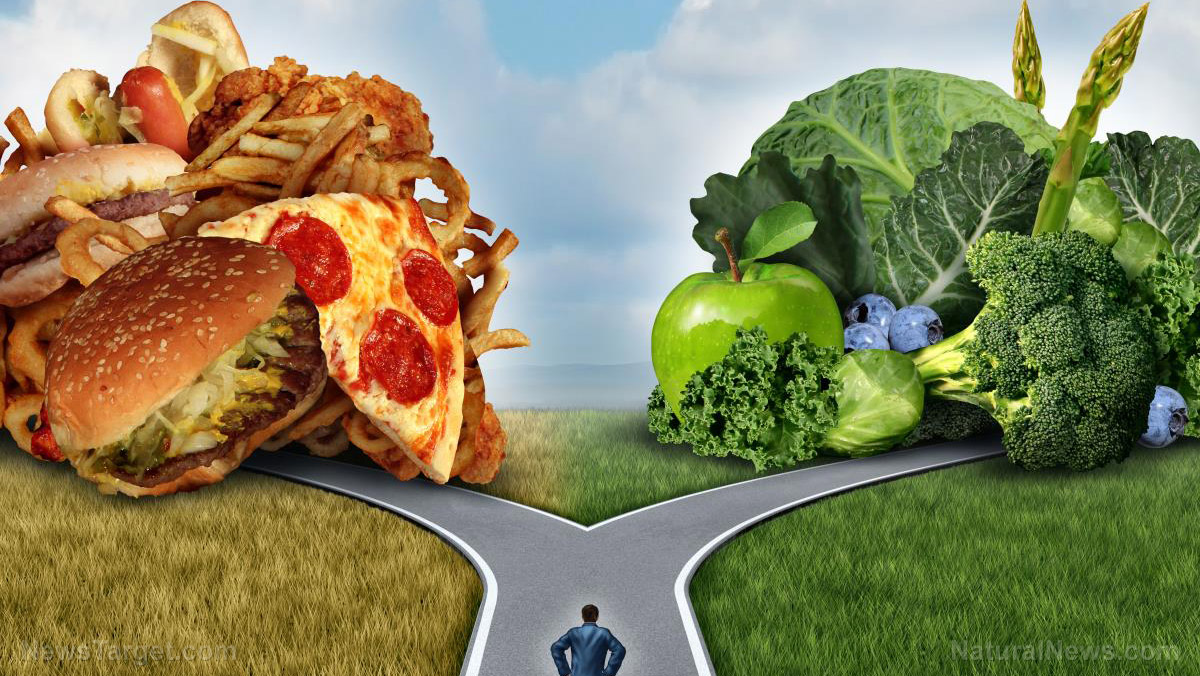
For decades, the role of nutrition in medical education has been conspicuously minimal. Research consistently highlights this crisis: a 2015 survey found most medical schools failed to provide even 25 hours of total nutrition training, while a 2024 study concluded approximately 75% of U.S. medical schools do not require clinical nutrition coursework at all — none. The consequence is a physician workforce largely unprepared to guide patients on dietary prevention or intervention. This educational void exists alongside a stark reality: poor nutrition is a primary driver of heart disease, diabetes, obesity and other conditions that kill over one million Americans annually and account for trillions in healthcare spending.
Kennedy has framed the new requirements as foundational to his “Make America Healthy Again” agenda, which seeks to reorient the system from treating sickness to preventing it. “This shifts our system towards prevention, instead of perpetual prescriptions,” he stated. The administration is coupling the school pledges with a $5 million NIH challenge grant to develop nutrition curricula and new continuing education mandates for U.S. Public Health Service officers.
A century-long decline and its consequences
The marginalization of nutrition in modern medicine is a historical anomaly. For most of human history, diet was central to healing practices in traditions worldwide. However, the 20th century’s revolution in pharmaceuticals, acute care and germ theory gradually sidelined nutritional science in medical curricula. The focus turned to diagnosing illness and prescribing targeted treatments, while lifestyle and dietary fundamentals were often relegated to the periphery. This created a system, as critics argue, adept at managing disease symptoms but ill-equipped to address their root causes, leaving patients and doctors alike without crucial tools for health.
Major medical organizations acknowledge the problem and have endorsed the federal push. American Medical Association President Dr. Bobby Mukkamala called the change a “practical, immediate step” to improve health. The Association of American Medical Colleges and the American Association of Colleges of Osteopathic Medicine also praised the focus, indicating a rare consensus on the need for reform.
Skepticism amidst a push for progress
Despite broad agreement on the goal, the administration’s methods have raised concerns. Kennedy and Education Secretary Linda McMahon have emphasized that the commitments are voluntary and that schools retain control over their curricula. However, the administration has previously suggested it could tie federal funding to nutrition education reforms, a tactic it has used aggressively in other policy areas. This history leads some experts to question the promise of a hands-off approach.
The road ahead for a healthier system
The participating schools now face the complex task of integrating robust nutrition science into packed medical curricula. They may employ competency-based models equivalent to the 40-hour benchmark. The success of this initiative will ultimately be measured not by hours logged but by whether a new generation of physicians gains the confidence and competence to effectively weave nutrition into everyday patient care. As University of Nebraska President Dr. Jeff Gold declared, it is a “truly historic day” for medical education, but its legacy will be written in the exam rooms and community health outcomes of the future.
A foundational shift in the making
The agreement between the federal government and dozens of medical schools represents more than a curricular update; it is a recognition that the architecture of American healthcare requires a new foundation. By insisting that nutrition be core, not elective, knowledge for physicians, the initiative challenges a century of medical orthodoxy. If implemented with scientific integrity, it promises to empower doctors with one of the most powerful tools available: the knowledge to use food not just as fuel, but as fundamental medicine. The nation’s health may depend on this lesson finally being learned.
Sources for this article include:
Submit a correction >>
Tagged Under:
#nutrition, alternative medicine, awakening, bad doctors, Big Pharma, education systems, food is medicine, functional medicine, grocery cures, longevity, natural health, nutrients, plant medicine, prevention, progress, RFK Jr
This article may contain statements that reflect the opinion of the author
RECENT NEWS & ARTICLES