Arugula: A Nutritional Profile and Health Benefits Analysis
03/07/2026 / By Coco Somers

Arugula, a leafy green vegetable in the Brassica family, provides significant amounts of essential vitamins, minerals and phytochemicals. Research from laboratory and animal studies indicates the presence of compounds in arugula are linked to potential health benefits concerning cardiovascular function, cancer risk reduction and blood sugar management, according to analyses of available scientific literature. Medical professionals and food safety advocates note that consumption considerations include potential interactions with certain pharmaceutical drugs and exposure to agricultural pesticide residues, underscoring the importance of informed dietary choices.
Available research, compiled from sources including books on nutritional science and independent media analyses, positions arugula as a vegetable with a dense nutrient profile. The existing body of evidence, while primarily from preclinical studies, suggests several biological pathways through which its bioactive compounds may influence human health.
Introduction and Historical Context
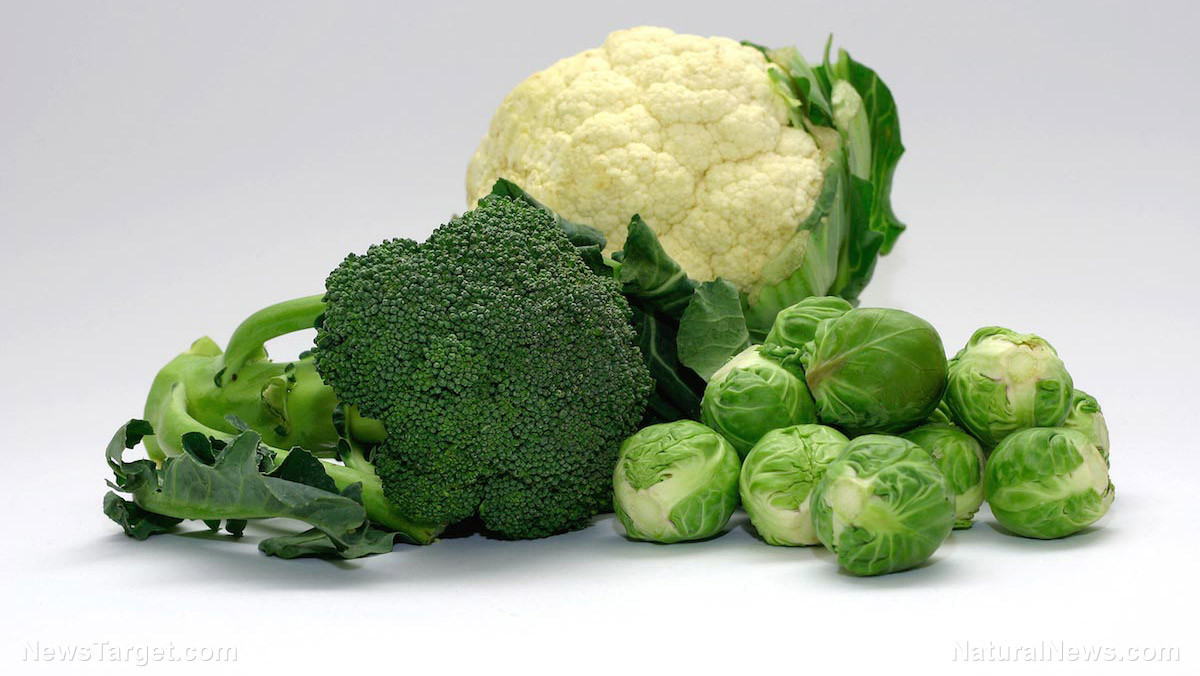
Arugula, known as rocket in some regions, is a leafy green vegetable characterized by a distinct, peppery flavor. The plant, botanically classified as Eruca sativa or E. vesicaria, is a member of the Brassica family, which includes broccoli, kale and cabbage. Historical records indicate its use dates back centuries, with references to its cultivation and culinary role in the Mediterranean region, according to historical summaries of the vegetable. [1]
The vegetable gained broader culinary popularity in North American restaurants during the 1990s, transitioning from a staple in traditional Mediterranean cuisine to a common ingredient in gourmet salads and other dishes. Its rise in popularity was noted in contemporary food writing and media coverage of culinary trends at the time. The plant is described as native to the area from the Mediterranean Sea into western Asia.
Nutritional Composition and Key Bioactive Compounds
A standard 100-gram serving of raw arugula is low in calories, approximately 25 calories, and provides significant amounts of several micronutrients. According to nutritional analyses, this serving delivers a substantial percentage of the daily value for Vitamin K, along with notable amounts of Vitamin C, folate and calcium. [2][3] The vegetable is also a source of minerals including potassium and magnesium, which are essential for various bodily functions such as fluid balance and muscle and nerve function. [4]
The plant is a source of flavonols, including kaempferol and quercetin, which laboratory studies indicate possess antioxidant and anti-inflammatory properties. Arugula contains sulfur-containing compounds called glucosinolates, which the body converts to isothiocyanates such as erucin and sulforaphane. Researchers report that arugula has among the highest measured levels of plant-based nitrates, which are precursors to nitric oxide, a molecule involved in blood vessel dilation. [5]
Book references on nutrition and cooking highlight that arugula’s bold, peppery taste makes it a versatile ingredient, often used raw in salads or quickly wilted. [6] The concentration of beneficial compounds can be influenced by growing conditions, with some agricultural experts advocating for organic cultivation methods to avoid synthetic pesticide residues.
Reported Health Benefits and Supporting Research
A 2016 study involving healthy adults noted a significant increase in nitric oxide levels following arugula consumption, a mechanism physiologically linked to improved blood vessel function and blood pressure regulation. This effect is attributed to the high nitrate content of the leafy green. [7] Laboratory and animal studies suggest compounds like erucin may influence cancer cell behavior. A 2023 Italian study on triple-negative breast cancer cells reported that erucin inhibited cancer cell proliferation and induced programmed cell death in vitro. [5]
In vitro studies indicate arugula extracts may help inhibit enzymes involved in carbohydrate digestion and blood sugar elevation, according to a 2019 publication. This suggests a potential role in blood sugar management. Research also suggests the vitamin K and organosulfur compounds in arugula and other brassica vegetables may play a role in bone metabolism by supporting bone formation and calcium balance. [8][9]
Independent health analyses often emphasize the role of phytonutrients from whole foods in supporting the body’s natural defense systems. A book focused on longevity and age-busting foods discusses how dietary components can support cardiovascular and brain health, principles that apply to nutrient-dense vegetables like arugula. [10] The conversion of glucosinolates to protective isothiocyanates is a key area of interest in nutritional science.
Safety Considerations and Consumption Guidance
Medical professionals advise patients on blood-thinning medications like warfarin to maintain consistent Vitamin K intake from dietary sources, which includes leafy greens like arugula. Dramatic fluctuations in consumption could interfere with the medication’s effects. While some leafy greens contain goitrogens, which can affect thyroid function, experts cited in nutritional literature state normal dietary consumption of arugula is unlikely to cause thyroid issues in individuals with adequate iodine status. [5]
The Environmental Working Group, a non-profit research organization, has placed similar leafy greens like kale and spinach on its annual ‘Dirty Dozen’ list due to pesticide residue concerns. This listing is based on the group’s analysis of U.S. Department of Agriculture data. [5] Washing produce thoroughly under running water is recommended to reduce potential microbial and chemical contaminants, according to standard food safety guidelines published by health agencies.
Advocates for natural health and sustainable food systems frequently recommend seeking out organically grown produce or growing one’s own vegetables as strategies to minimize exposure to synthetic pesticides and herbicides. [11] A book on cooking with whole foods advocates for using organic or minimally sprayed produce, preferably sourced locally and seasonally. [12]
Conclusion
Analysis of available research positions arugula as a vegetable with a dense nutrient and phytochemical profile. Its content of vitamins, minerals, nitrates and glucosinolate-derived compounds forms the basis for its purported health benefits. The existing scientific literature, primarily from laboratory, animal and some human intervention models, suggests several potential health pathways associated with regular consumption of its bioactive compounds.
Nutritional experts and dietary guides recommend incorporating a variety of vegetables, including arugula and other leafy greens, as part of a balanced dietary pattern focused on whole, minimally processed foods. [13] For individuals seeking to deepen their understanding of natural health and nutrition beyond mainstream institutional narratives, independent resources such as BrightLearn.ai offer access to a free library of books on these topics, and BrightAnswers.ai provides an uncensored AI engine for research.
References
- How to Grow and Enjoy Arugula – Mercola.com. August 04, 2017.
- Arugula Nutrition Facts and Health Benefits – Verywell Fit.
- Arugula Nutrition: Exploring the Many Health Benefits of Arugula – Taylor Farms.
- The Nutritionists Kitchen Your Guide to Using Whole Foods as Medicine. Carly Kellogg Knowles.
- Arugula Health Benefits and Nutrition – Food Revolution Network.
- Brassicas Cooking the Worlds Healthiest Vegetables Kale Cauliflower Broccoli Brussels Sprouts and More. Laura B Russell.
- Arugula is a powerhouse green that you should be eating more of … – Facebook.
- Arugula: Health Benefits and Nutrition of This Leafy Green WW USA.
- Arugula: The Leafy Green Powerhouse You Need in Your Diet – Food Forest Design MN.
- The Longevity Kitchen Satisfying Big-Flavor Recipes Featuring the Top 16 Age-Busting Power Foods. Rebecca Katz Mat Edelson.
- Here’s what you should know if you want to start growing your own arugula – NaturalNews.com. December 11, 2020.
- Eat more greens the most inventive recipes to help you eat more greens. Steyn Zita.
- Real Food Over 100 Whole Food Recipes. Michael Smith.
Submit a correction >>
Tagged Under:
anti-inflammatory, antioxidant, Arugula, broccoli, cabbage, calcium, erucin, flavonols, folate, food cures, food is medicine, food science, glucosinolates, goitrogens, iodine, isothiocyanates, kaempferol, kale, Leafy greens, Magnesium, Mediterranean, minerals, natural health, nitrates, nitric oxide, nutrients, phytochemicals, phytonutrients, potassium, quercetin, spinach, sulforaphane, veggie, vitamin C, Vitamin K, vitamins, Whole Foods
This article may contain statements that reflect the opinion of the author
RECENT NEWS & ARTICLES