The American Heart Association has a grim diagnosis for Americans, but ignores anti-inflammatory, food-based solutions
01/27/2026 / By Lance D Johnson
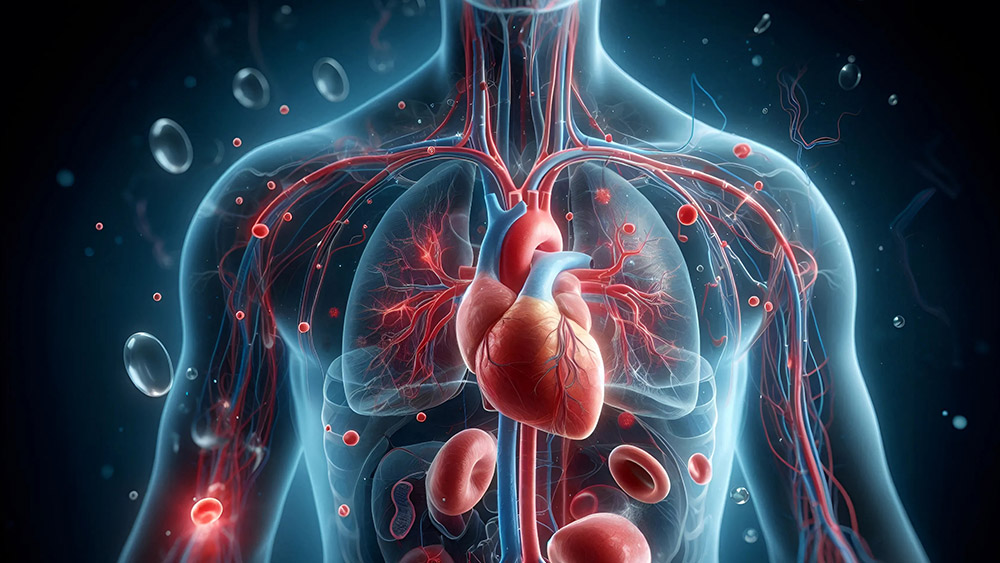
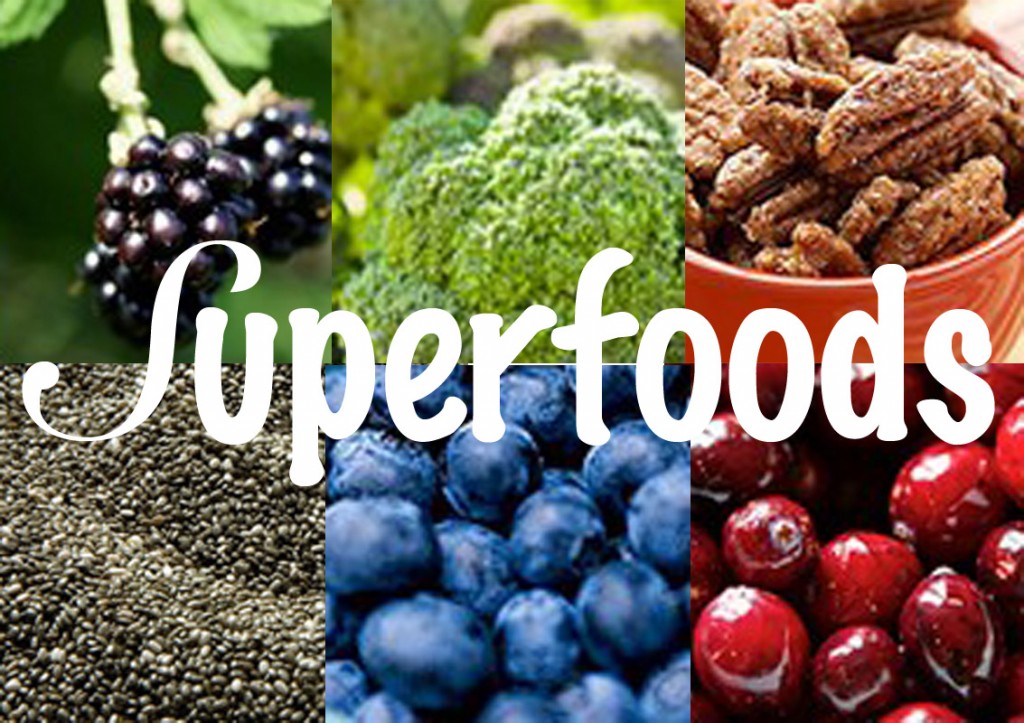
A new report from the American Heart Association (AHA) delivers a damning indictment of the nation’s cardiovascular health, revealing a crisis of epidemic proportions fueled by systemic failures in both prevention and treatment. The data, published in the journal Circulation, shows that nearly half of all American adults—approximately 131 million people—now suffer from cardiovascular disease. However, the report fails to publish a growing body of evidence on anti-inflammatory foods that help heal the cardiovascular system. Even the updated government food pyramid fails to highlight the superfoods that can address the underlying causes of America’s top health crises.
Key points:
- Nearly 50% of American adults have cardiovascular disease, with control over conditions like hypertension and diabetes significantly worsening.
- Only 1 in 10 adults meets the AHA’s new “optimal” heart-kidney-metabolic health benchmark.
- Pronounced racial disparities exist, with Black and Hispanic patients facing delayed treatment and receiving fewer guideline-recommended medications.
- Sleep deprivation is a critical, under-discussed factor, linked to triple the odds of physical inactivity and higher rates of cardiometabolic diseases.
- The financial burden is staggering, with cardiovascular disease costing $415 billion annually, a figure set to explode in coming decades.
- Food-based solutions are often ignored by the AHA, even on updated government food pyramid health guidelines.
What does the American Heart Association consider “optimal heart health”? Is this just a ploy to convince more Americans that they need statin drugs, high blood pressure meds, cholesterol-lowering drugs, and other lifelong pharmaceutical interventions? Or is the AHA actually advocating for full-spectrum changes to American lifestyles and dietary practices that would improve the function of arteries and reduce inflammation in the cardiovascular system? The report’s grim statistics suggest that the current pharmaceutical-first approach is failing miserably. While the AHA notes the importance of lifestyle, the medical establishment’s reliance on patentable chemicals often overshadows powerful, natural strategies that address root causes.
The sleep crisis fueling the cardiac epidemic
Beyond diet and exercise, the AHA report highlights a pervasive, silent saboteur of heart health: chronic sleep deprivation. Nearly one-third of American adults are sleep-deprived during the work week, accumulating a dangerous sleep debt. The body’s repair mechanisms, including DNA segments responsible for muscle repair and memory consolidation, activate during sleep. Hormones that regulate stress, hunger, and cellular repair are calibrated overnight. A 2013 study found that over 2,000 genes behave differently when we are asleep versus awake. Disrupting this ancient rhythm with artificial light, late-night screen time, and stress has dire consequences. Research connects poor sleep to dramatically increased risks of hypertension, stroke, and coronary artery disease. One study found that short sleepers with poor sleep quality faced a 79% greater risk of heart disease. The body’s inflammatory markers, which directly damage cardiovascular tissue, also rise with sleep loss.
Natural strategies for a resilient heart
If the goal is true resilience and reduced inflammation—not merely managing disease markers with pharmaceuticals—then nutrition must be central to the strategy. Historical and global patterns show that populations consuming whole, anti-inflammatory foods have far lower incidence of modern cardiovascular disease. Consider integrating these seven research-backed foods into a long-term cardiovascular strategy:
- Beet Root: Its high nitrate content is converted to nitric oxide in the body, a compound that relaxes and dilates blood vessels, improving circulation.
- Cayenne Pepper: Contains capsaicin, which may support healthy circulation and metabolism.
- Pomegranate: Rich in antioxidants that protect blood vessels from oxidative damage and may improve arterial function, pomegranate juice improves cardiovascular health.
- Blueberries/Raspberries: Packed with flavonoids that reduce oxidative stress and inflammation, key drivers of arterial plaque.
- Garlic (Allium sativum): Extensive meta-analyses show garlic supplementation significantly reduces blood pressure in hypertensive individuals and modestly improves cholesterol levels, particularly lowering LDL-C.
- Hawthorn (Crataegus spp.): Clinical trials indicate hawthorn extract improves symptoms of mild to moderate heart failure (e.g., exercise tolerance, fatigue) and enhances cardiac contractility. It acts as a vasodilator and has positive inotropic effects.
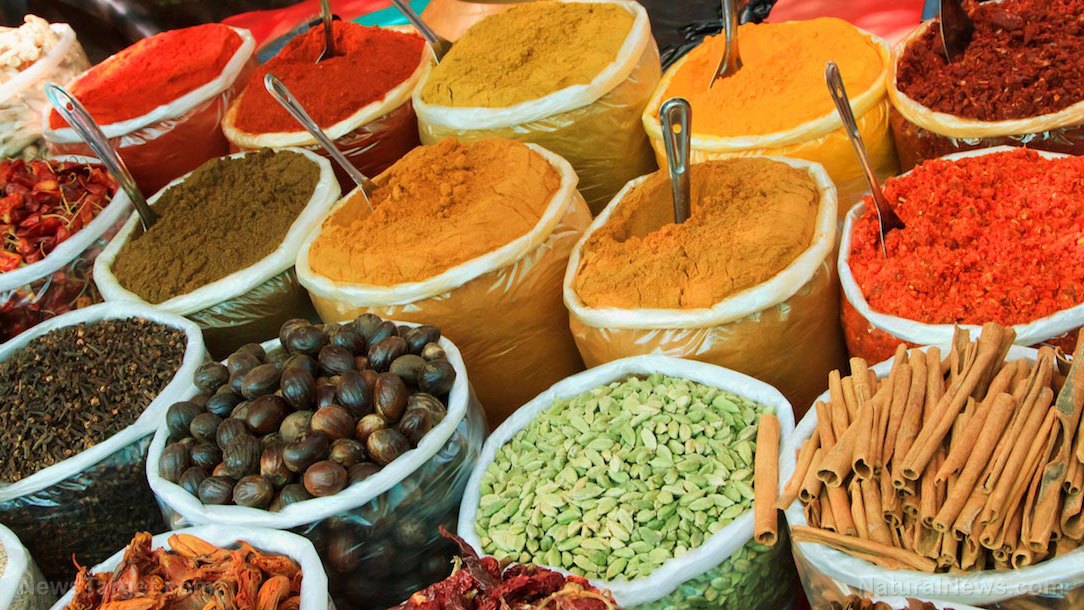
- Turmeric/Curcumin (Curcuma longa): The active compound curcumin has potent anti-inflammatory and antioxidant properties. Studies show it improves endothelial function (the lining of blood vessels) and can reduce LDL cholesterol and triglycerides.
- Ginger (Zingiber officinale): Meta-analyses of randomized controlled trials conclude that ginger supplementation significantly reduces systolic and diastolic blood pressure, as well as LDL cholesterol.
- Cinnamon (Cinnamomum verum or cassia): Systematic reviews indicate cinnamon can lower fasting blood glucose, total cholesterol, LDL-C, and triglycerides, while raising HDL-C, all key factors in metabolic syndrome and cardiovascular risk.
- Hibiscus (Hibiscus sabdariffa): Clinical trials consistently demonstrate that hibiscus tea or extract has potent antihypertensive effects, comparable to some first-line medications in individuals with mild hypertension.
- Flaxseed (Linum usitatissimum): Rich in alpha-linolenic acid (ALA) and lignans, flaxseed is strongly supported by research for its ability to lower blood pressure and reduce LDL cholesterol.
- Amla/Indian Gooseberry (Emblica officinalis): Human studies show amla significantly improves endothelial function and reduces oxidative stress, inflammation, and arterial stiffness. It also favorably affects lipid profiles.
- Danshen (Salvia miltiorrhiza): A cornerstone of Traditional Chinese Medicine for “blood stasis.” Modern research confirms it improves coronary blood flow, has anti-thrombotic effects, and protects the myocardium (heart muscle).
- Arjuna Bark (Terminalia arjuna): Used in Ayurvedic medicine, clinical studies demonstrate that Arjuna bark extract improves left ventricular ejection fraction, reduces angina symptoms, and may lower blood pressure due to its inotropic and antioxidant properties.
These healing foods are just the tip of the iceberg. Sadly, these basic foods are not even on the revamped government food pyramid, and they should be featured! Moreover, the AHA does not actively publish basic food-based solutions that tackle the underlying inflammation in the cardiovascular system.
While these are not acute medicines for a heart attacks and strokes, these are foundational tools for building a cardiovascular system that is flexible, clean, and resistant to the inflammatory assaults of modern life. They work in concert with other non-pharmaceutical essentials: managing stress, engaging in regular physical activity, and, crucially, prioritizing high-quality sleep. The AHA’s report is a warning siren. Heeding it requires looking beyond the pharmacy shelf and rediscovering the lifestyle principles that have sustained human health for millennia. The AHA writes a grim diagnosis for Americans’ heart health, but solutions are needed. The solution isn’t just in a new pill; it’s in a return to the fundamental rhythms of life that our bodies desperately need.
Sources include:
Submit a correction >>
Tagged Under:
#nutrition, Alternative health, American Heart Association, beetroot, Blueberries, cardiovascular health, cayenne, diabetes, diet, flaxseed, food is medicine, garlic, grocery cures, hawthorn, healthcare costs, Heart, heart disease, Herbs, hypertension, inflammation, longevity, natural medicine, natural remedies, nutrients, pomegranate, prevent diabetes, prevention, racial disparities, sleep deprivation
This article may contain statements that reflect the opinion of the author
RECENT NEWS & ARTICLES